Vascular plants with seeds
Groups include:
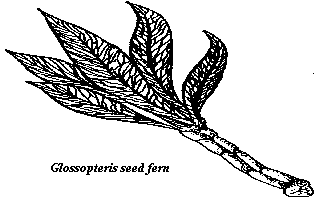
• primitive seeds ferns (now extict) - e.g. Glossopteris and Gangamopteris
• cycads
• Ginkgo biloba
• conifers
• flowering plants - monocotyledons and dicotyledons
Seed ferns (e.g. Glossopteris)
- extinct, but many fossils found, particularly in the Permian coal measures of NSW and Qld
- fern-like appearance
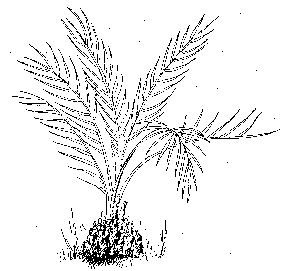
Cycads (e.g. Macrozamia various species)
- separate male and female cones
- motile sperm
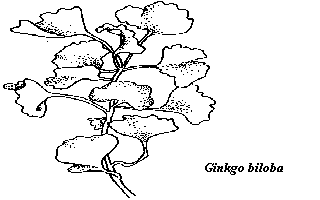
Ginkgo biloba
- cultivated around Chinese and Japanese temples
- once thought extinct in the wild but since discovered in remote regions of western China
- fan-shaped leaves
- separate male and female trees
Conifers
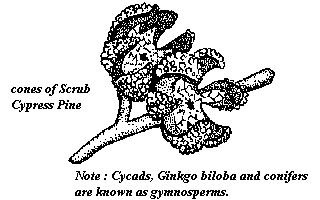
- most have true cones
- pollinated by wind
- naked seeds - i.e. not surrounded by ovary wall
- source of economically important timber - e.g. pine species, Western Red Cedar, Oregan and Australian native cypress pine
Flowering plants (angiosperms)
- complex vascular tissue
- dominate land vegetation except coniferous forests
- great variation in form - shrubs, trees, climbers; woody and non-woody
- structurally adapted to land habitats of great diversity, but also aquatic
- pollinated by animals - e.g. insects, birds and mammals - as well as wind and water
- flowers have stamens (male sex organs) and carpels (female sex organs)
- seeds within a closed structure (fruit)
- economically important

![Director of National Parks [logo]](../images/dnp_90px.gif)